150 YEARS STRONG

THE OFFICIAL ANNIVERSARY BLOG

Discover the people, policies, and pivotal moments that shaped the ALA and the libraries we all rely on. Our anniversary blog is your behind-the-scenes look at the legacy we’re honoring and the future we’re building, with regular stories on how we’re celebrating.

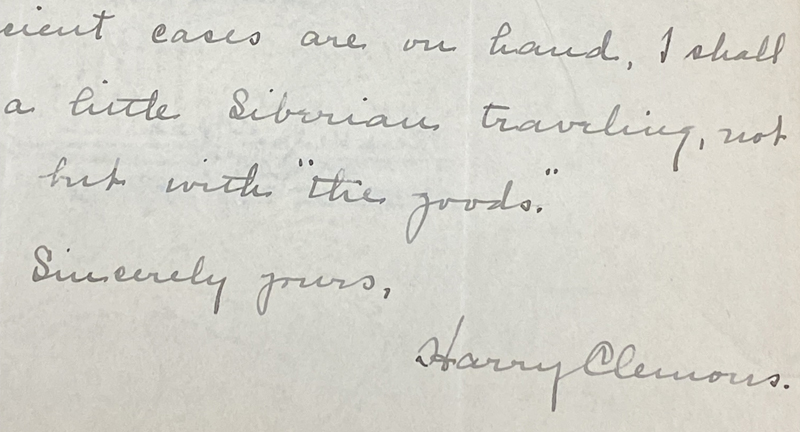
Detail of letter from Lynn Blaylock to the Intellectual Freedom Committee.

‘Nothing Could Have Astonished Me More’: The Challenge of Consumer Reports

Due to communist hysteria before and after World War II, many organizations and publications were under suspicion of being affiliated with or promoting the Communist party, including Consumers Union, publisher of Consumer Reports, the product testing and consumer advocacy magazine. As a result, Ohio schools banned the use of Consumer Reports in the classroom. While the ban was short-lived, the questions about it were not and the ALA Intellectual Freedom Committee noticed the attempts to ban the publication.

Learn More
A detail from the Library Bill of Rights, 1967.

The History of the LeRoy C. Merritt Humanitarian Fund

To financially support librarians who have been denied employment rights or discriminated against on the basis of gender, sexual orientation, race, color, creed, religion, age, disability, or place of national origin or denied employment rights because of their defense of intellectual freedom, ALA created the LeRoy C. Merritt Humanitarian Fund, named in honor of a staunch defender of intellectual freedom and editor of ALA’s Newsletter on Intellectual Freedom.

Learn More
A Seat at the Table feature graphic

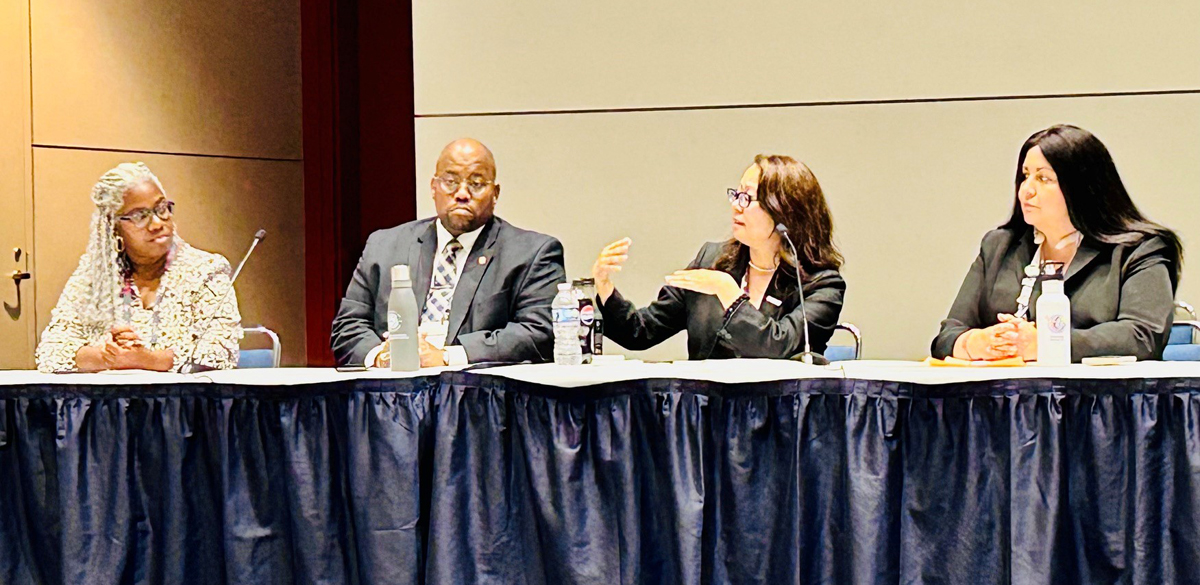
A Seat at the Table: Reflections from Eight ALA Trailblazers

For 150 years, the American Library Association has shaped the landscape of libraries and the profession itself—but its leadership has often reflected the racial and gender biases of society at large. American Libraries spoke with eight barrier-busting Association leaders about their struggles, triumphs, breakdowns, and breakthroughs. The stories and lessons they share reveal how diversity fuels and transforms the power of libraries everywhere.

Learn More
The School of Economy at Columbia College in New York City, class of 1888. Photo: ALA Archives

55 Moments That Redefined Librarianship

As the American Library Association (ALA) celebrates 150 years, we’re drawing inspiration from key events since its 1876 founding: from the first conventions and library schools, through wartime and the fight for civil rights, to seismic technological advancements and the existential threats of the current moment. Though not a comprehensive timeline of library history, the milestones collected here demonstrate lasting impact and how libraries and the profession are intertwined with the American story itself—as repositories of memory, arenas of debate, and enduring instruments of democratic life.

Learn More
Keynote speaker and author Phoebe Eng signing books

Shared Visions: The National Conference on Asian/Pacific American Librarians

In 2001, the Asian/Pacific American Librarians Association and the Chinese American Librarians Association partnered to host the first and only National Conference on Asian/Pacific American Librarians. The theme, Shared Visions: Heritages, Scholarship, Progress, was chosen “with a sincere commitment to representing the rich diversity of East, South and Southeast Asian and Pacific American ethnicities, cultures and communities.”

Learn More

The Wellesley Half-Dozen

Although women had been employed in libraries previously, the six young women hired by Melvil Dewey in 1883 to work at Columbia College library captured the imagination of 20th-century library historians as groundbreaking fore-mothers of female employment and/or the beginnings of low-paid exploitation of women in the library workforce, but never as six young individuals at the beginning of six full lives.

Learn More
Washington County Free Library's bookmobile

Books on Wheels

In 1904, the Washington County Free Library in Hagerstown, Maryland, outfitted a wagon with bookshelves to serve as a mobile library unit to reach people who could not normally make it to the library. The idea soon spread to other parts of the country.

Learn More