150 YEARS STRONG

THE OFFICIAL ANNIVERSARY BLOG

Discover the people, policies, and pivotal moments that shaped the ALA and the libraries we all rely on. Our anniversary blog is your behind-the-scenes look at the legacy we’re honoring and the future we’re building, with regular stories on how we’re celebrating.

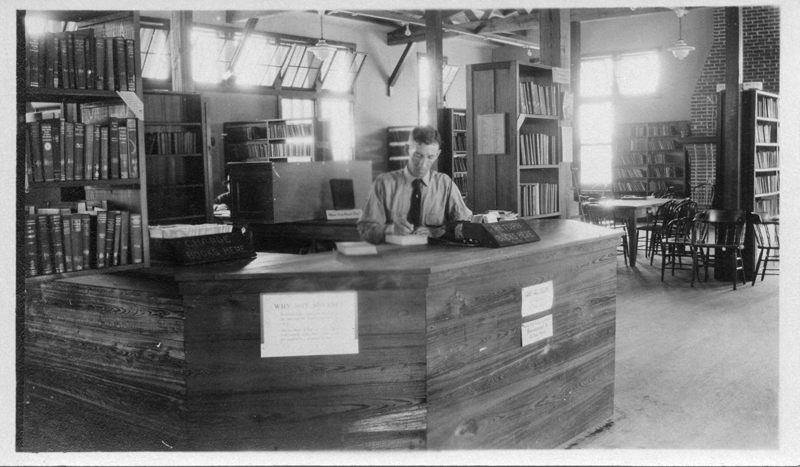
Librarian at the Reference Desk in Camp Johnston Library, from the ALA Archives.

Charles R. Green at Camp Johnston: ‘We Can Find Such a Man’

During the summer of 1918, Charles Green, a librarian from the Massachusetts Agriculture College, served as the Acting Librarian for Camp Johnston in Jacksonville, Florida. While his tenure was brief, the Charles R. Green Papers in the American Library Association (ALA) Archives reveal Green’s rapid appointment and promotion. It also shows how quickly circumstances could change within the ALA’s Library War Service and the adaptability of its volunteers.

Learn More
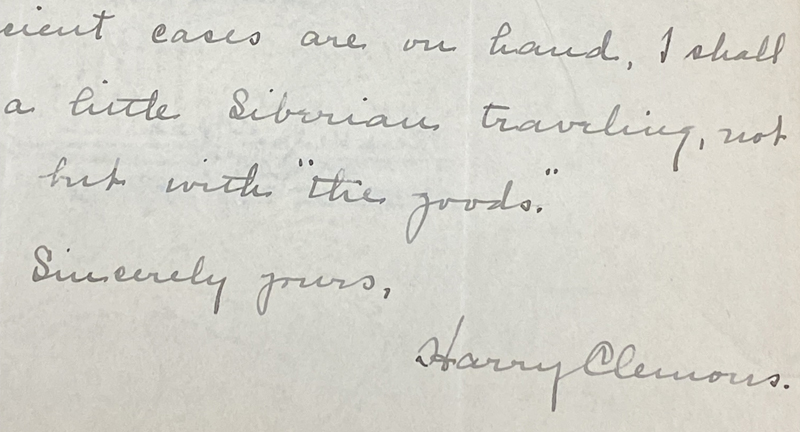
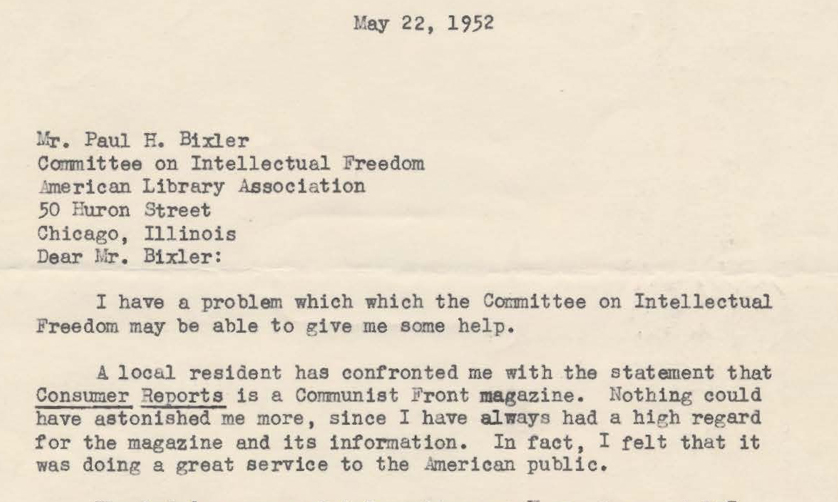
Detail of letter from Lynn Blaylock to the Intellectual Freedom Committee.

‘Nothing Could Have Astonished Me More’: The Challenge of Consumer Reports

Due to communist hysteria before and after World War II, many organizations and publications were under suspicion of being affiliated with or promoting the Communist party, including Consumers Union, publisher of Consumer Reports, the product testing and consumer advocacy magazine. As a result, Ohio schools banned the use of Consumer Reports in the classroom. While the ban was short-lived, the questions about it were not and the ALA Intellectual Freedom Committee noticed the attempts to ban the publication.

Learn More
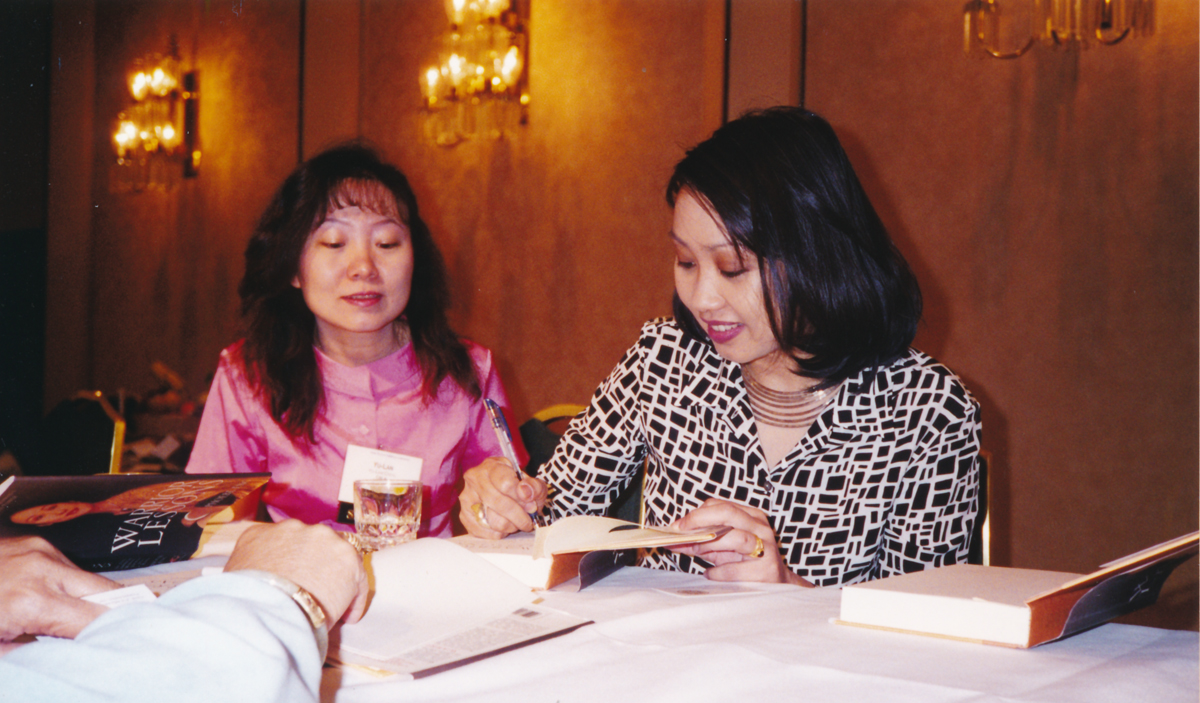
Keynote speaker and author Phoebe Eng signing books

Shared Visions: The National Conference on Asian/Pacific American Librarians

In 2001, the Asian/Pacific American Librarians Association and the Chinese American Librarians Association partnered to host the first and only National Conference on Asian/Pacific American Librarians. The theme, Shared Visions: Heritages, Scholarship, Progress, was chosen “with a sincere commitment to representing the rich diversity of East, South and Southeast Asian and Pacific American ethnicities, cultures and communities.”

Learn More
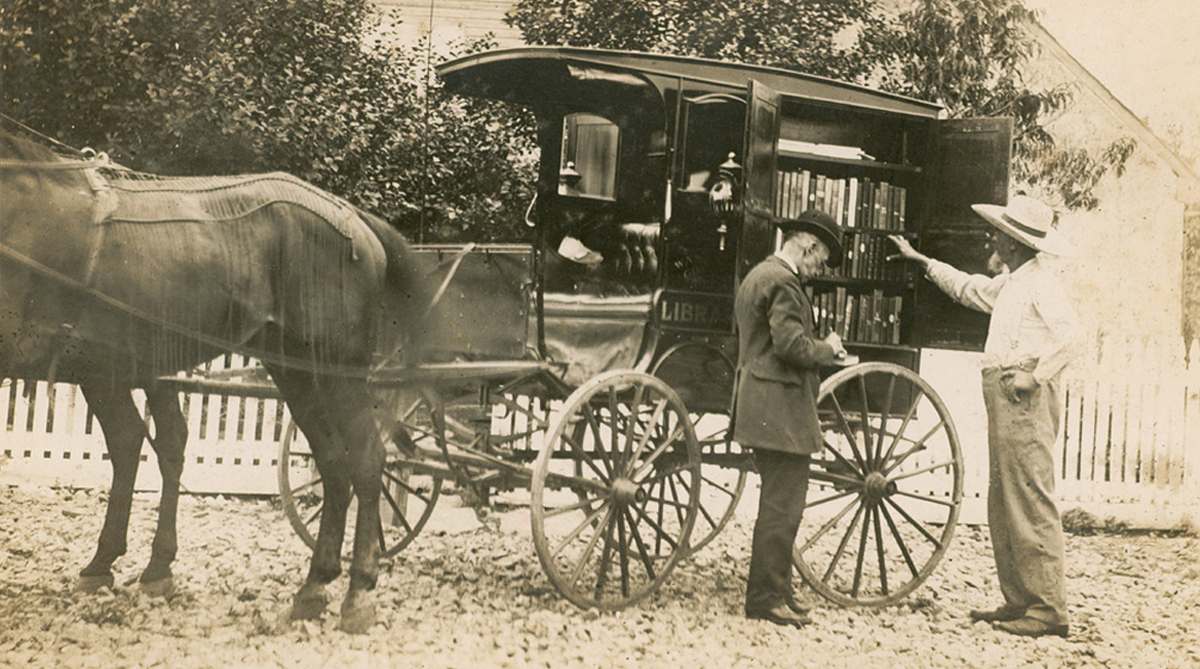
Washington County Free Library's bookmobile

Books on Wheels

In 1904, the Washington County Free Library in Hagerstown, Maryland, outfitted a wagon with bookshelves to serve as a mobile library unit to reach people who could not normally make it to the library. The idea soon spread to other parts of the country.

Learn More
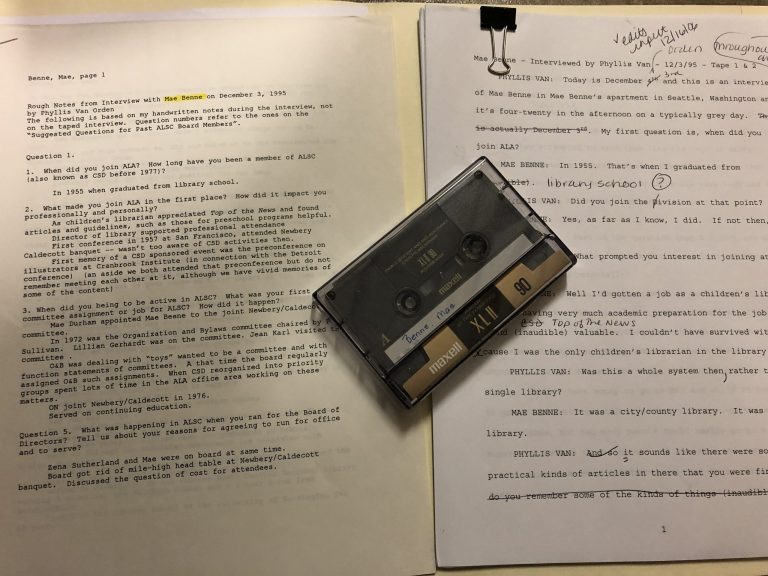
oral histories at the ala archive graphic

Oral Histories at the ALA Archives

Alongside written records, photographs, and publications, the American Library Association Archives also holds more than 150 interviews of librarians and library workers. These stories provide context to their lives and careers, how their experiences and education shaped their librarianship, and how certain events shaped their personal and professional lives.

Learn More
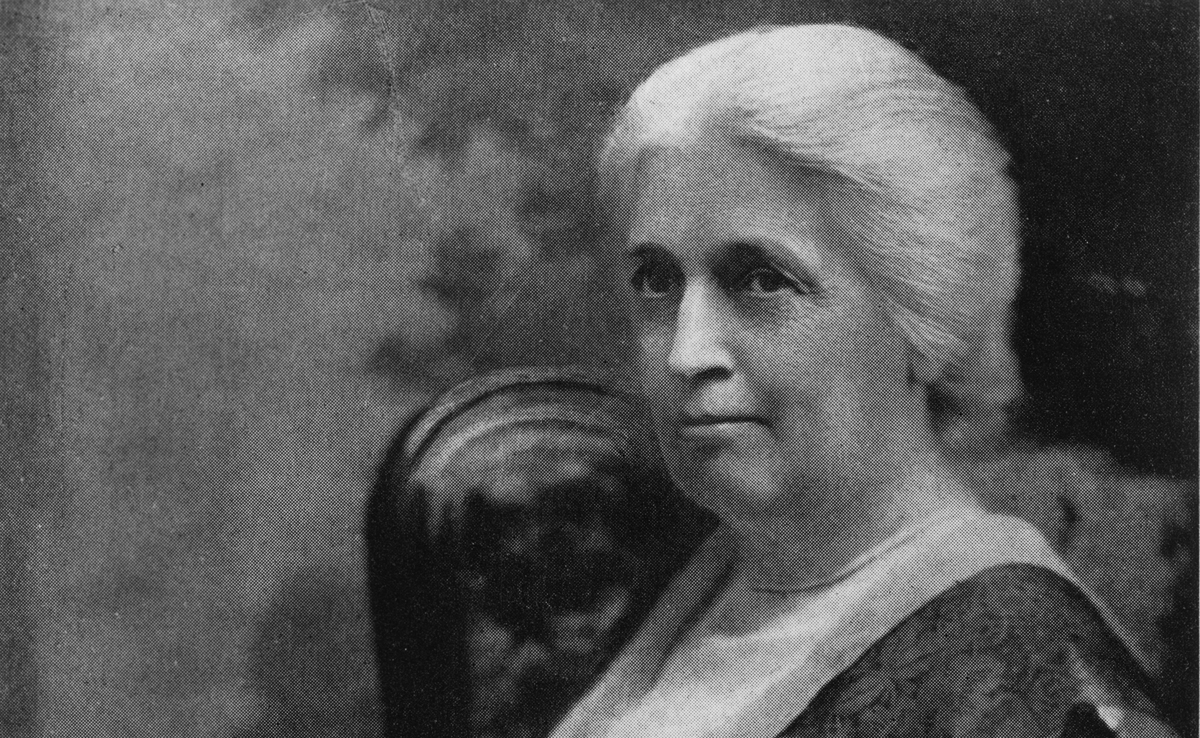
Theresa West Elmendorf. Photo courtesy of the ALA Archive.

Madam President

Before women were allowed to vote in U.S. elections, the American Library Association (ALA) found its leadership in Theresa West Elmendorf. In 1911, more than 30 years after the founding of ALA, Elmendorf was elected the first female president of the Association.

Learn More
detail of 1976 ALA conference program logo

A Short History of the ALA Logo

The first American Library Association (ALA) logo appeared as the Association launched its Library War Service during World War I, with many more iterations following over the course of almost 100 years.

Learn More
Detail of letter from Virginia Hamilton to Anne Izard, February 24, 1972.

Newbery: Letters from the Authors

For more than a century, the American Library Association has honored children’s authors with the John Newbery Medal. From the earliest years of the award, its prestige was not lost upon the authors who received it. Letters written by awardees to the Newbery Medal Committee chairs reveal their excitement upon receiving the news.

Learn More
Agenda for the Children’s Librarians Section on June 27, 1922, including the first presentation of the John Newbery Medal.

Newbery: The First Medal

In 1921, Frederic Melcher, a publisher, bookseller, and chairman of the Children’s Book Week Committee, proposed the idea of a medal to be awarded in recognition of children’s literature and for it to be named after John Newbery, an 18th century British bookseller and children’s books publisher. With a growing audience for children’s books, more librarians being trained in children services, and the emergence of children’s book departments in publishing companies, the time seemed right for such an award and the idea gained traction.

Learn More