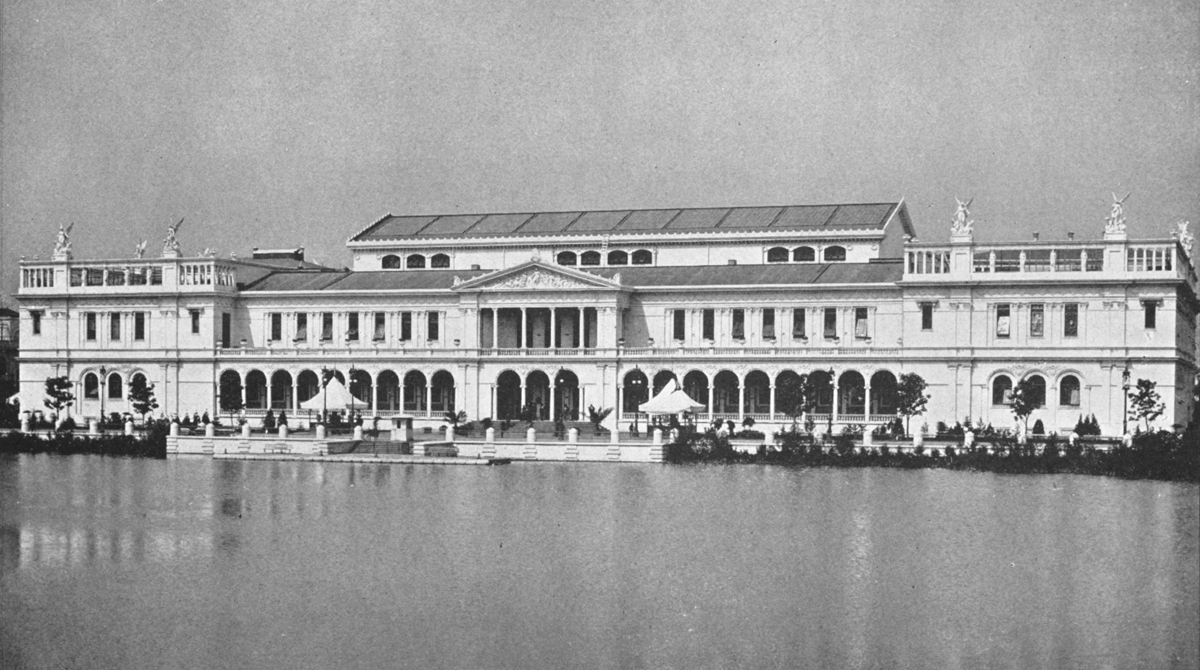
Women in the White City: Lessons from the Woman’s Building Library at the Chicago World’s Fair
The Woman’s Building and its library at the 1893 World’s Columbian Exposition in Chicago stood as shining examples of what women could accomplish.

Women in the White City: Lessons from the Woman’s Building Library at the Chicago World’s Fair
The Woman’s Building and its library at the 1893 World’s Columbian Exposition in Chicago stood as shining examples of what women could accomplish.

It’s Not Just Book Clubs Anymore: A Brief History of ALA’s Public Programs Office
ALA’s Public Programs Office empowers libraries to create vibrant hubs of learning, conversation and connection in communities of all types. We take a look at its beginnings and legacy.
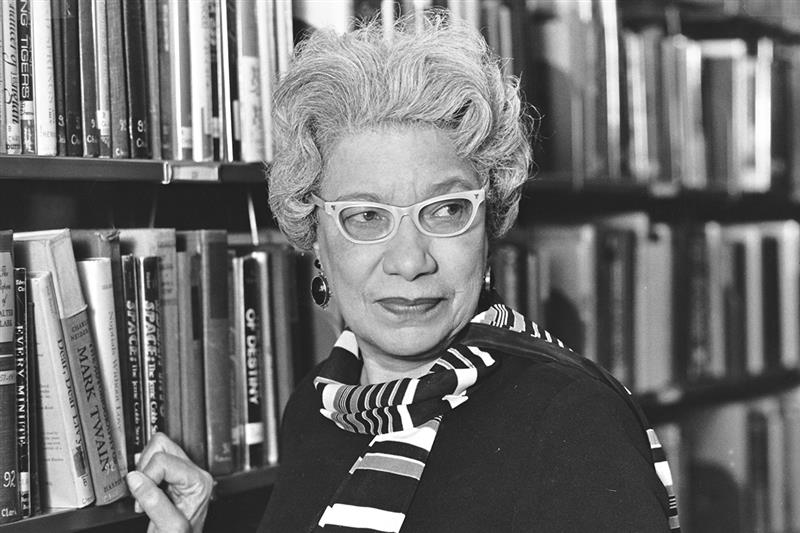
“Librarians We Have Lost Initiative (1976–2026): A Sesquicentennial Memorial Project” is a crowd-sourced initiative developed to honor the memory, service, and professional contributions of librarians, educators, and library workers over the past 50 years.
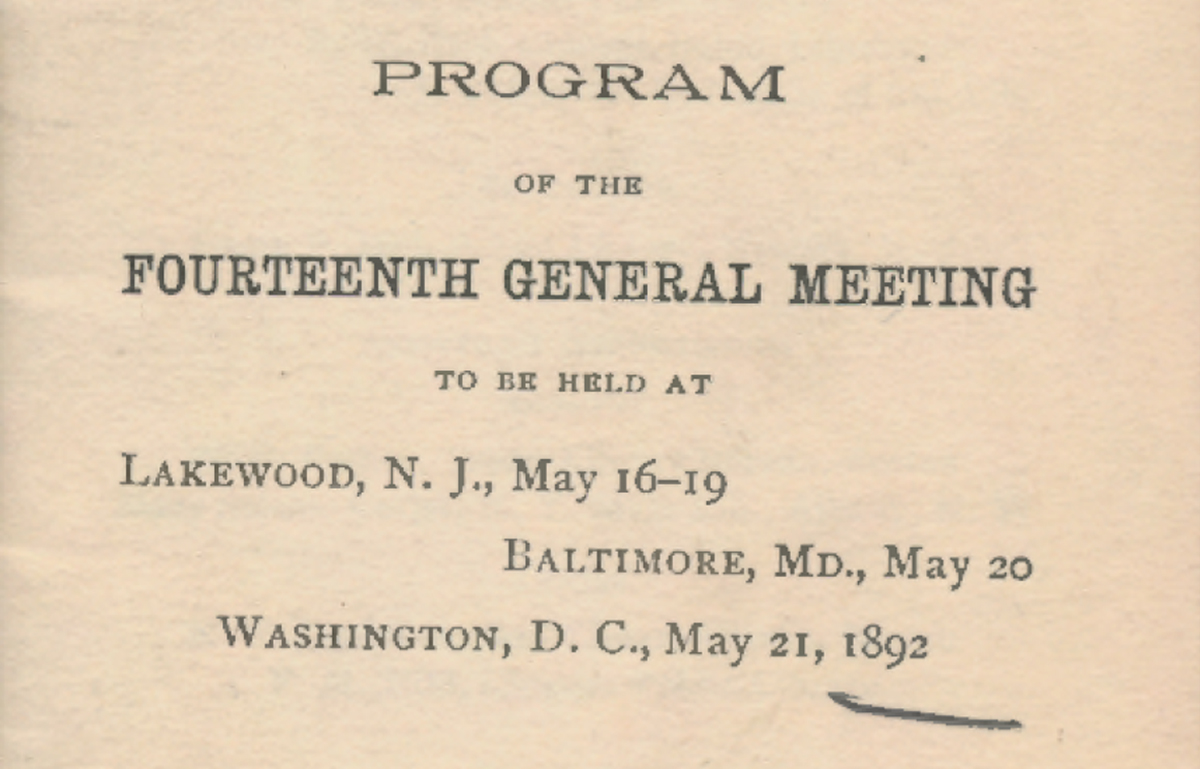
Library History and Women’s History: An Ongoing Convergence
The Woman’s Building Library at the 1893 World’s Columbian Exposition achieved a milestone and was an impressive harbinger for the intersection of librarianship, women’s history, community service, public policy, and international relations. And it was only the beginning.
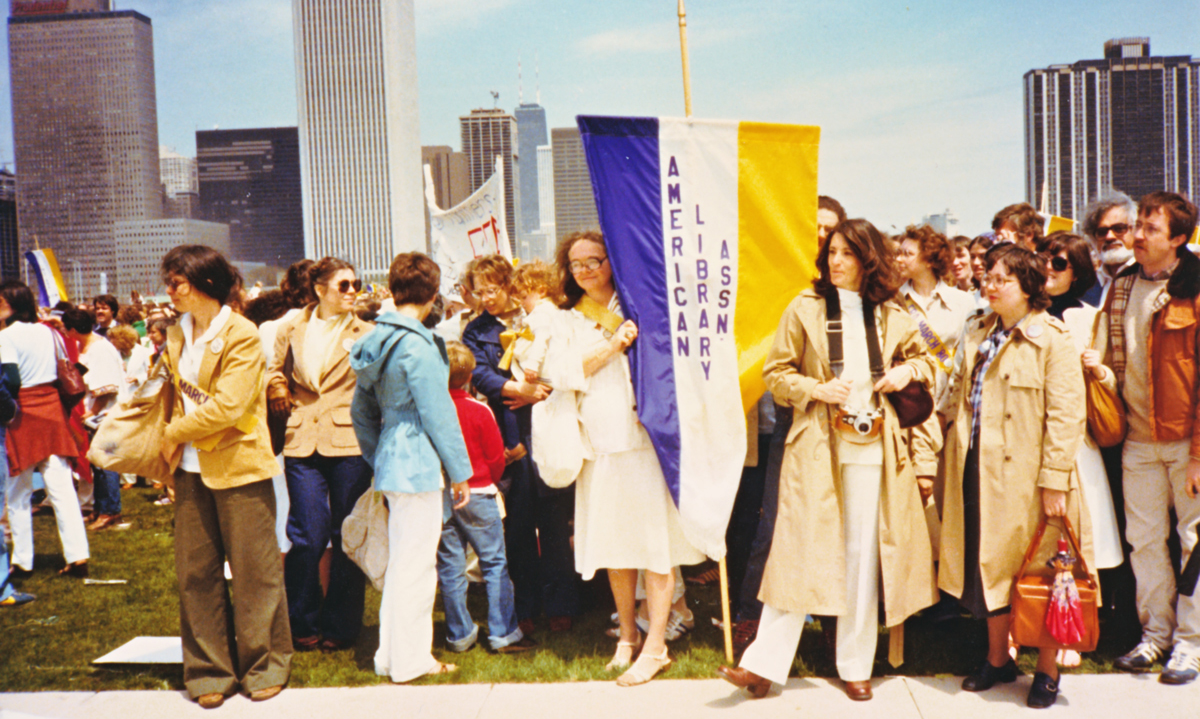
ALA’s Committee on the Status of Women in Librarianship
The 1960s and 1970s were a time of great societal change in the U.S., and especially so for women. The rebirth of feminism led to a greater desire to invest in a thorough examination of women and their erasure within the historical canon. These ideals spread to librarianship and ALA, where the Feminist Task Force was established in 1970, Women Library Workers in 1975, and the creation of the ALA Committee on the Status of Women in Librarianship in 1976.
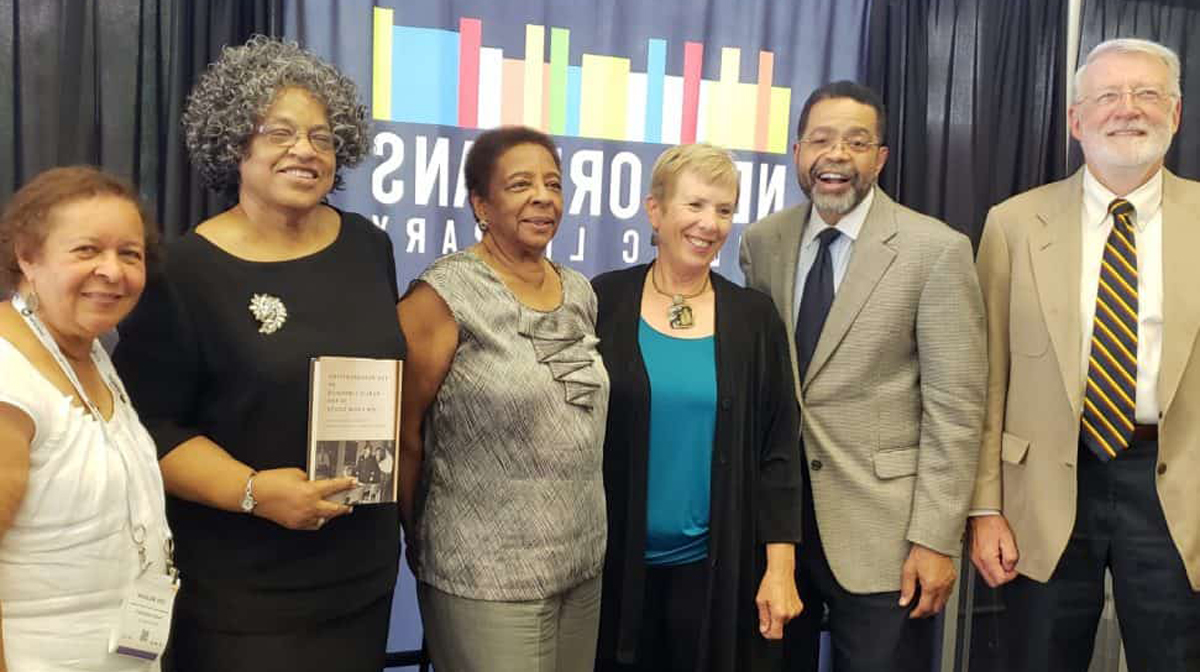
Desegregating Public Libraries: The Untold Stories of Civil Rights Heroes in the Jim Crow South
On Sunday, June 24, 2018, the governing Council of American Library Association passed a historic resolution that “apologizes to African Americans for wrongs committed against them in segregated public libraries” and commends those “who risked their lives to integrate public libraries for their bravery and courage in challenging segregation in public libraries and in forcing public libraries to live up to the rhetoric of their ideals.”
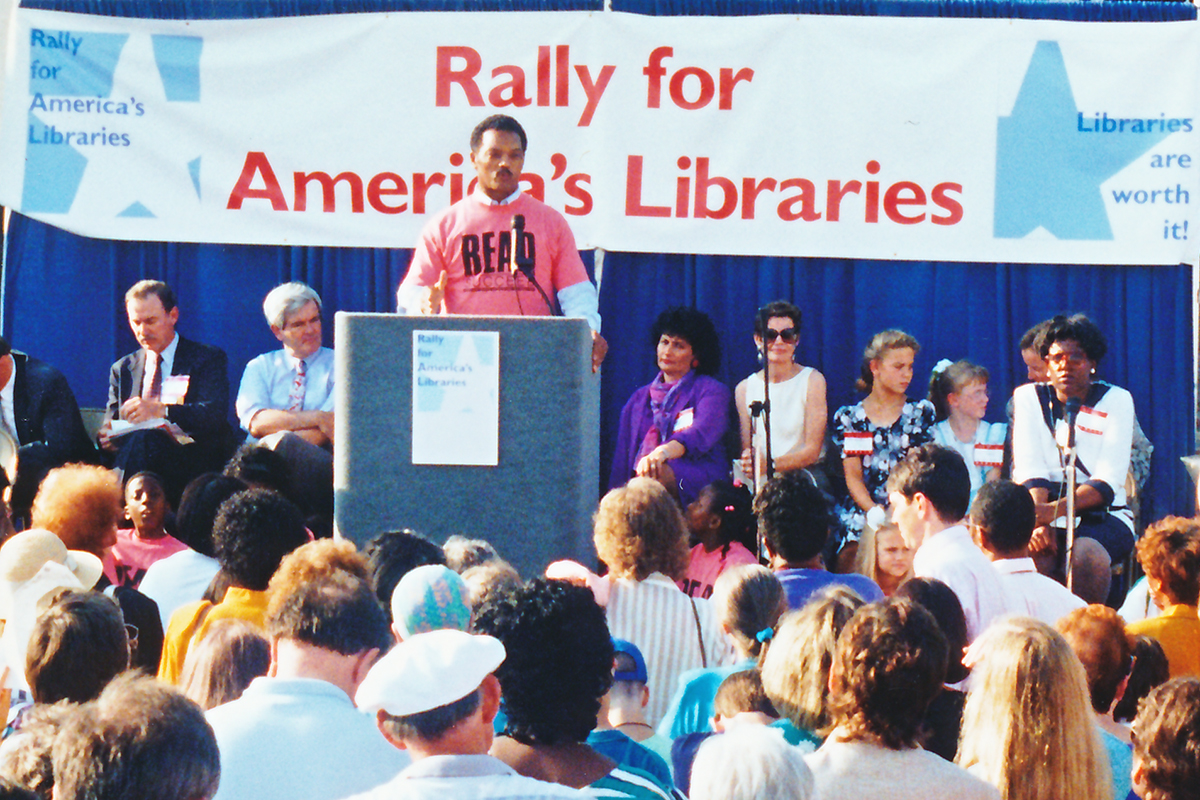
Jesse Jackson and a Legacy of Library Activism
Throughout his life of activism and public service, Rev. Jesse Jackson consistently championed libraries as centers of knowledge where individuals and communities can learn about their past, present, and future.
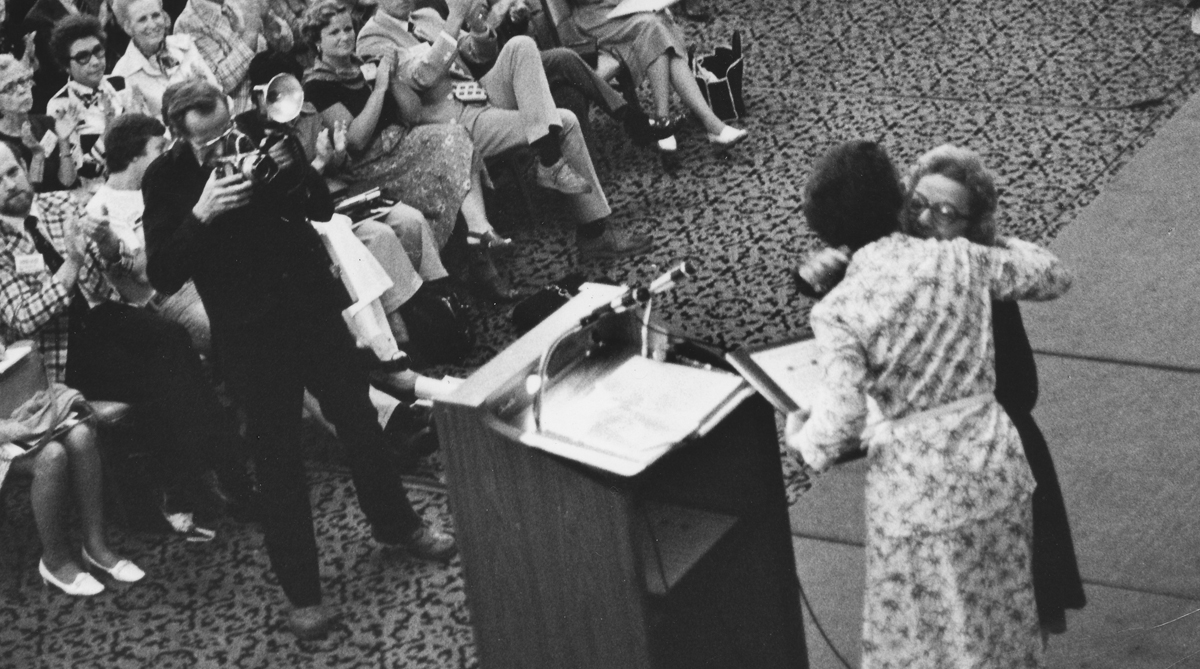
Clara S. Jones: ‘Awareness is Not Burdened with Repression; It Is Liberating’
During the 1975 American Library Association Annual Conference, Clara Stanton Jones was announced as the vice president and president-elect of the American Library Association. Her term as president would start during ALA’s 1976 Centennial Conference, a fitting celebration for the first African American President of the Association.
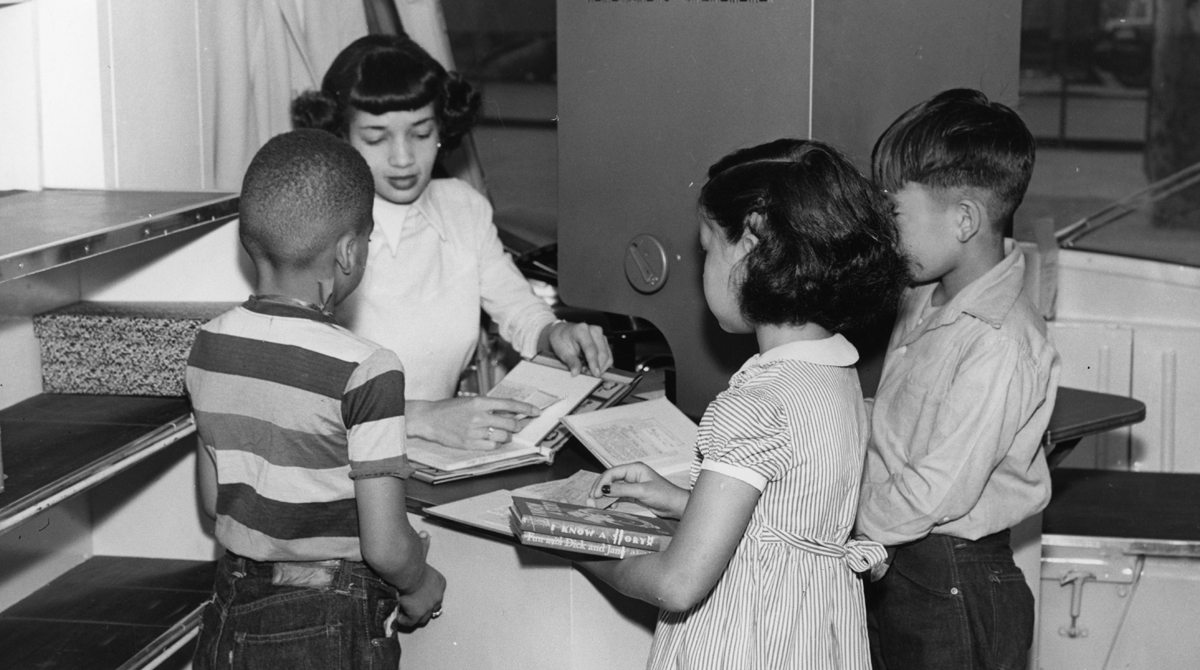
Action, Not Reaction: Integrating the Library Profession
In the midst of the Civil Rights era in America, librarians were battling for and against segregated libraries in the South, however they were also battling over integration within their own ranks. Integration of the library profession was a long process that started in the early 20th century.
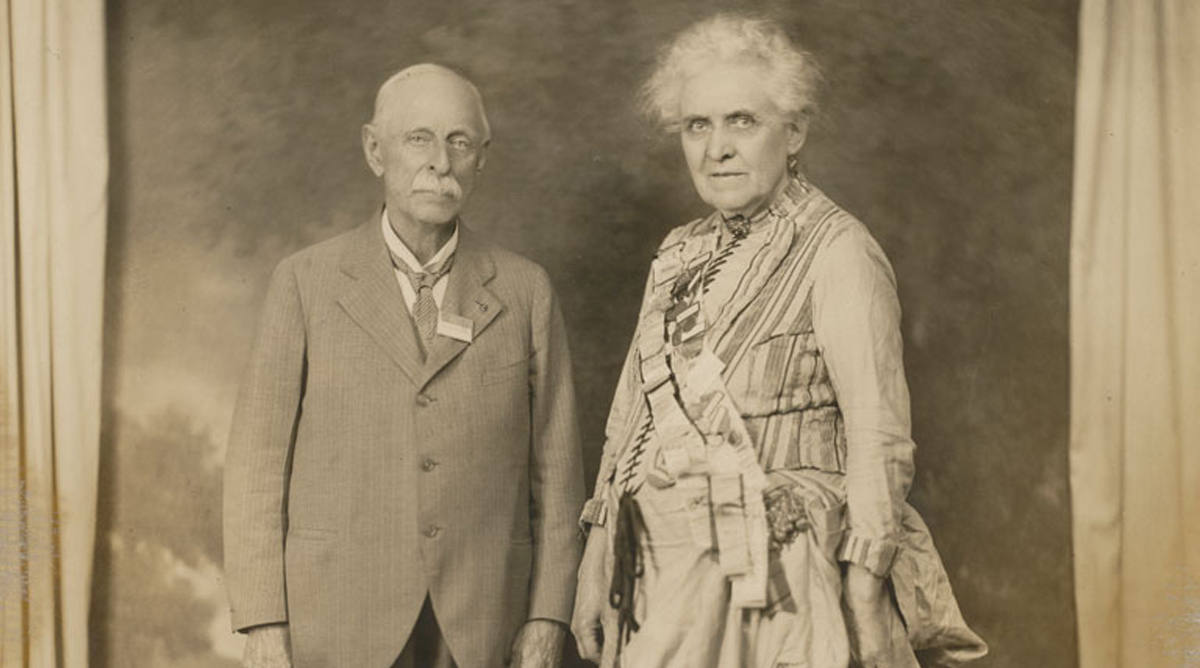
Henry and Edith Carr, ALA’s Golden Couple
With Valentine’s Day approaching, we remember possibly the most famous ALA couple of all time, Henry and Edith Wallbridge Carr. Married for 43 years and active in ALA for even longer, the Carrs were well-known within the library community of the late 19th and early 20th century. Where did their romance begin? At an ALA conference, of course!