150 YEARS STRONG

THE OFFICIAL ANNIVERSARY BLOG

Discover the people, policies, and pivotal moments that shaped the ALA and the libraries we all rely on. Our anniversary blog is your behind-the-scenes look at the legacy we’re honoring and the future we’re building, with regular stories on how we’re celebrating.

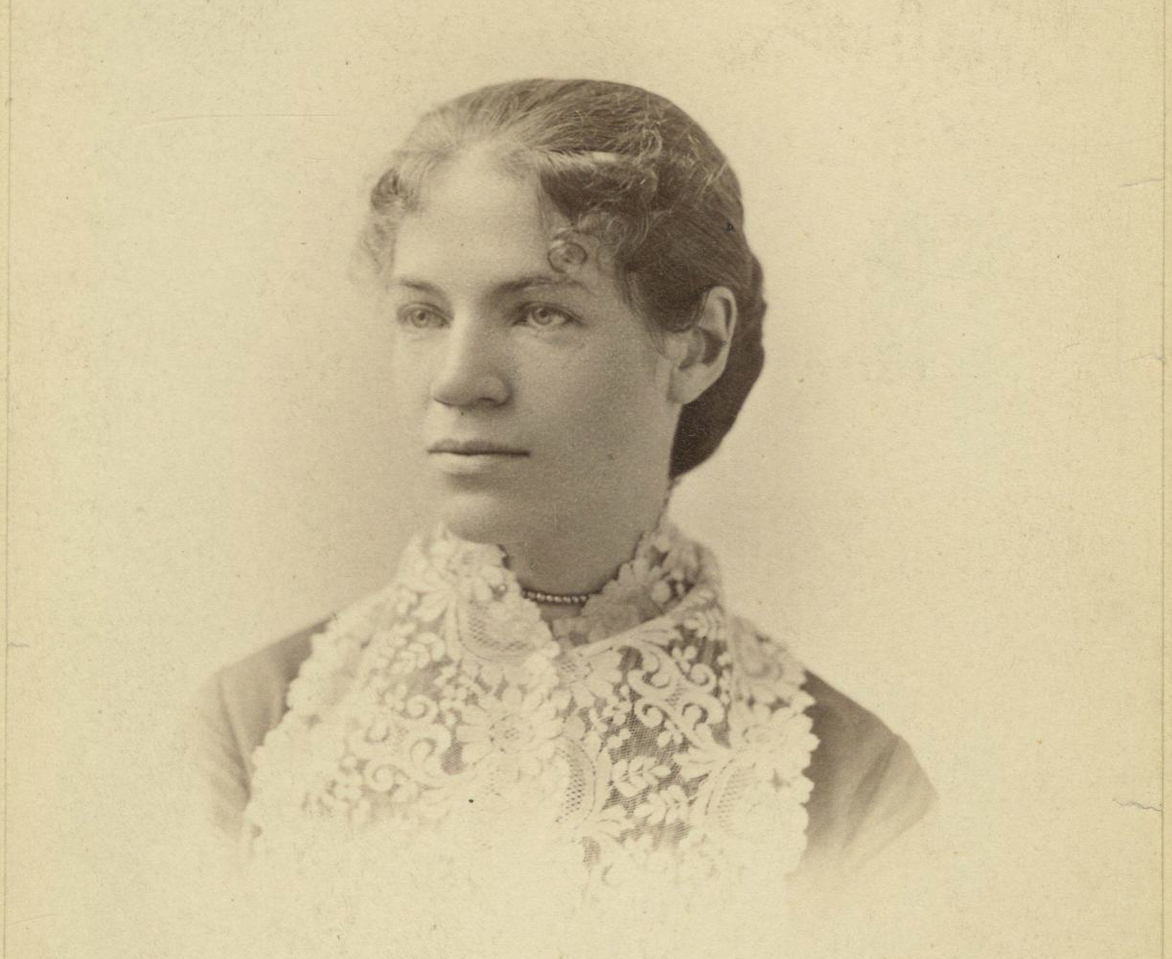
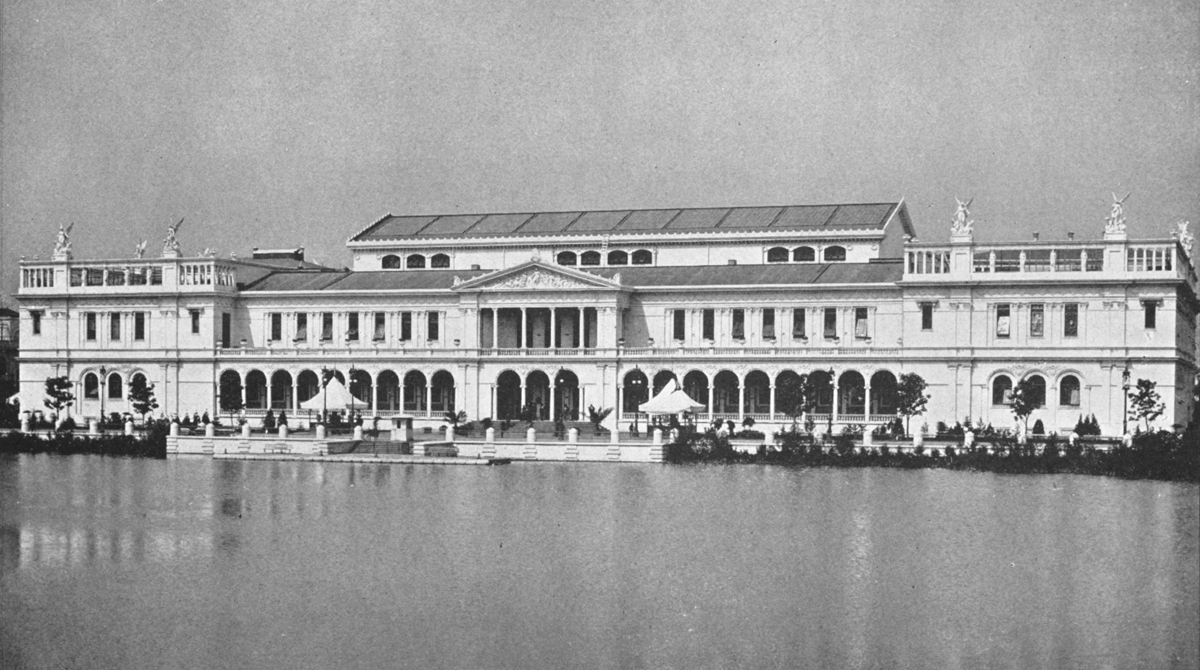
Although women had been employed in libraries previously, the six young women hired by Melvil Dewey in 1883 to work at Columbia College library captured the imagination of 20th-century library historians as groundbreaking fore-mothers of female employment and/or the beginnings of low-paid exploitation of women in the library workforce, but never as six young individuals at the beginning of six full lives.
The Wellesley Half-Dozen

Although women had been employed in libraries previously, the six young women hired by Melvil Dewey in 1883 to work at Columbia College library captured the imagination of 20th-century library historians as groundbreaking fore-mothers of female employment and/or the beginnings of low-paid exploitation of women in the library workforce, but never as six young individuals at the beginning of six full lives.
Learn More
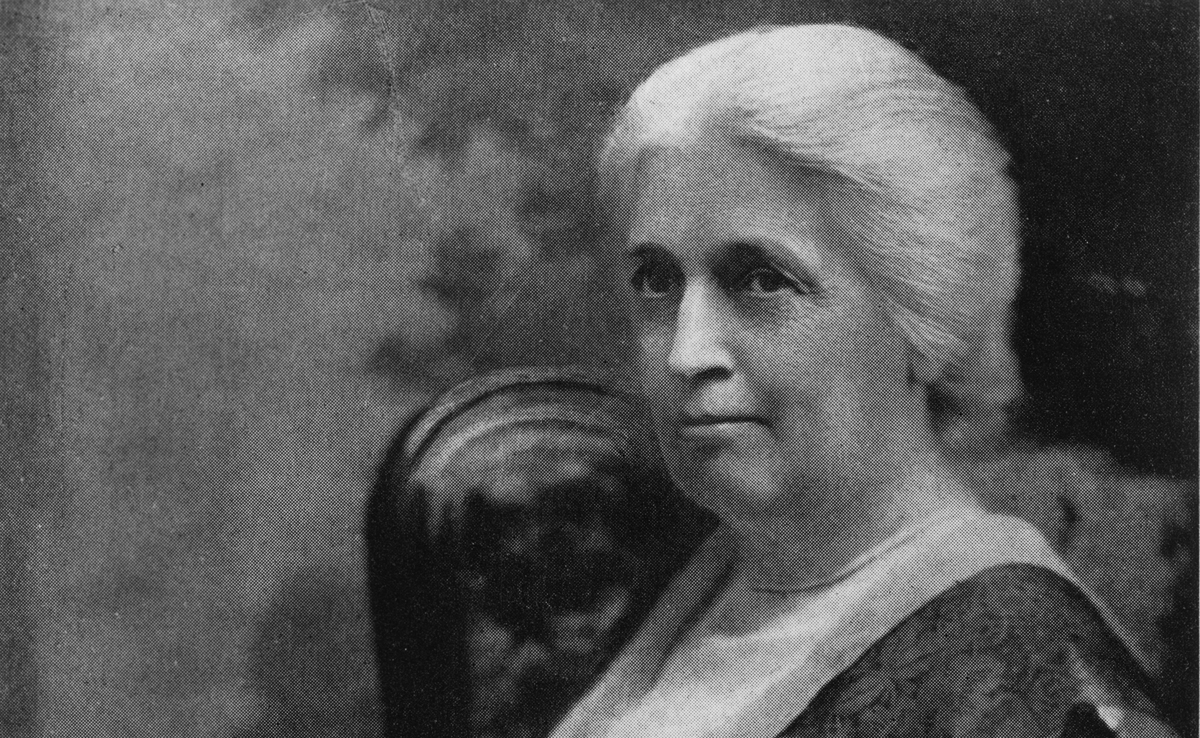
Theresa West Elmendorf. Photo courtesy of the ALA Archive.

Madam President

Before women were allowed to vote in U.S. elections, the American Library Association (ALA) found its leadership in Theresa West Elmendorf. In 1911, more than 30 years after the founding of ALA, Elmendorf was elected the first female president of the Association.

Learn More
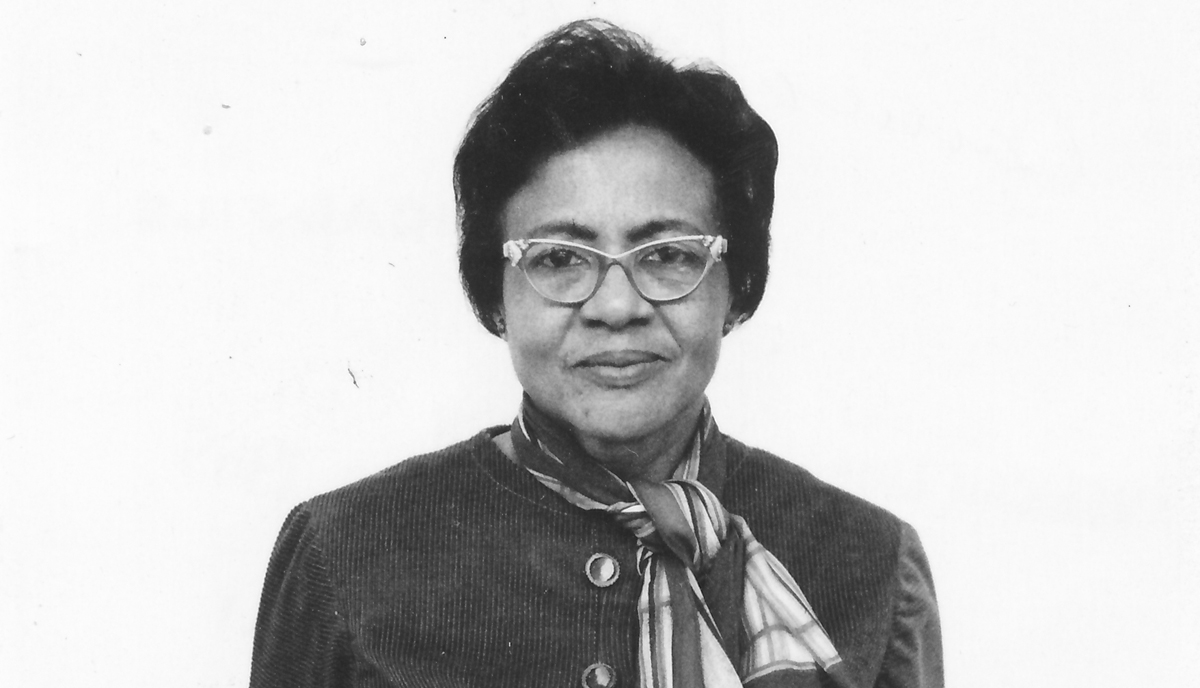
Carrie Robinson

ALA Hidden Figures: Carrie Robinson

On May 14, 1969, Carrie Coleman Robinson, a Black school librarian in Alabama, brought a landmark case to the US District Court. After being passed over for a promotion, Robinson sued Alabama’s Department of Education alleging that she had been denied equal protection as a department employee because of her race. Robinson’s case, and long career as a librarian, reveals much about the Jim Crow South and librarianship in the civil rights era.

Learn More
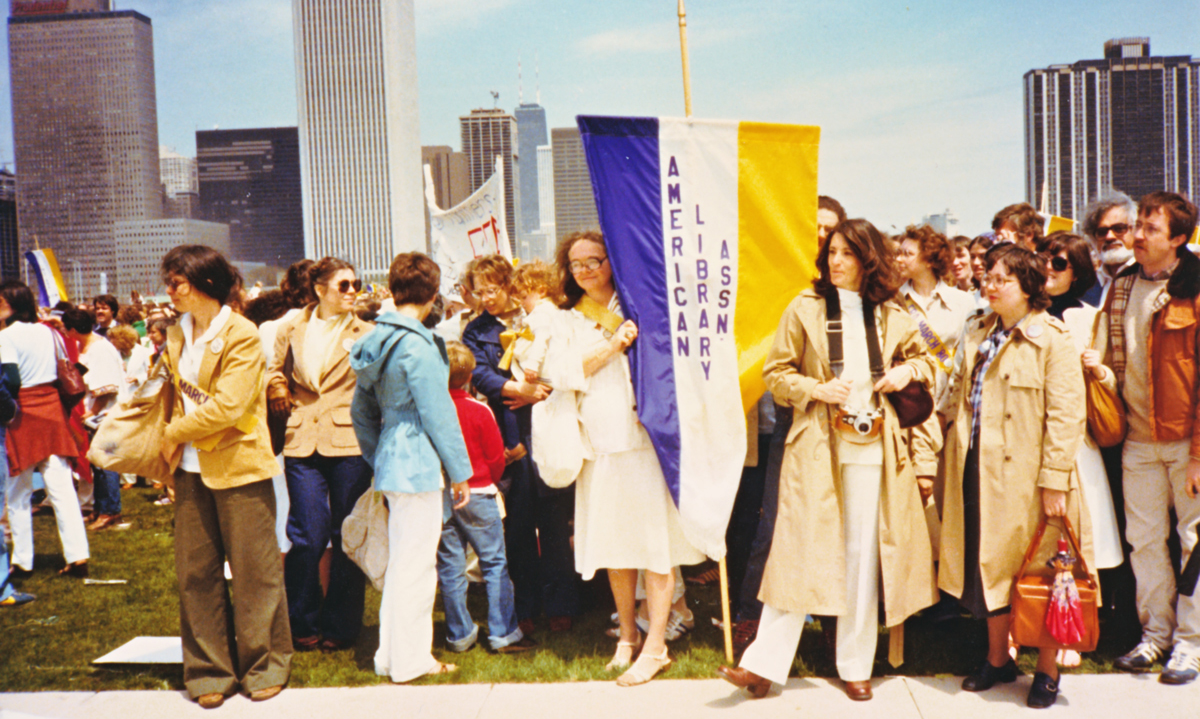
ALA Members participating in a 1980 Equal Rights Amendment march in Chicago

ALA’s Committee on the Status of Women in Librarianship

The 1960s and 1970s were a time of great societal change in the U.S., and especially so for women. The rebirth of feminism led to a greater desire to invest in a thorough examination of women and their erasure within the historical canon. These ideals spread to librarianship and ALA, where the Feminist Task Force was established in 1970, Women Library Workers in 1975, and the creation of the ALA Committee on the Status of Women in Librarianship in 1976.

Learn More