150 YEARS STRONG

For 150 Years

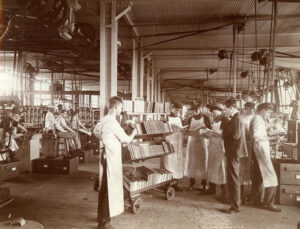
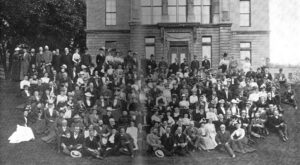
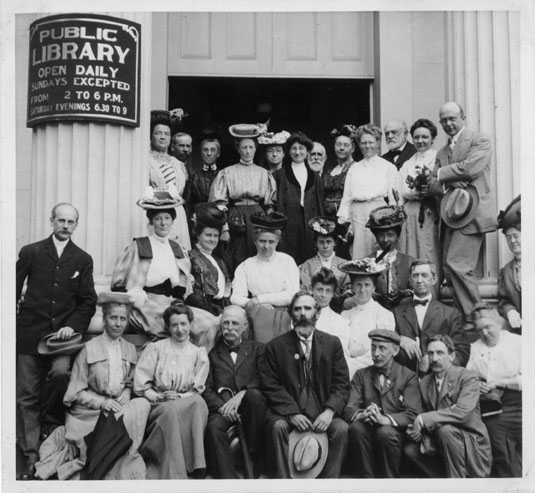
Librarians in Nantucket, Massachusetts, 1906. From the F. W. Faxon Collection in the ALA Archives.

For 150 years, the American Library Association (ALA) has stood as a guardian of knowledge, a champion of access, and a beacon for democracy. Founded in 1876 by visionary library workers who understood the transformative power of books and information, ALA has fostered a profession committed to collections, but also to communities, equity, and the promise of lifelong learning. Our history is filled with moments of courage, innovation, and advocacy that remind us how central libraries are to the fabric of American life.

Libraries have been, and remain, places of hope and possibility. They have carried books to soldiers in wartime, provided refuge and learning to children across every neighborhood, and adapted boldly in the face of societal and technological change. From hosting public lectures in the 19th century to offering digital literacy programs and community technology access today, libraries have continually evolved to meet the needs of their communities. They are spaces where every person, regardless of background, income, or circumstance, can encounter new ideas, challenge their assumptions, and engage with the world in informed, meaningful ways.

As we celebrate 150 years, we are called not only to reflect but to act. Our century-and-a-half legacy is a testament to the resilience and ingenuity of librarians and library workers everywhere. It reminds us that the work we do connects people with information, defends the freedom to read, and advocates for open and meaningful access to opportunity. Our work is vital now more than ever. Libraries serve as both repositories of knowledge and as active participants in civic life, fostering understanding, dialogue, and empathy in communities of all sizes.

This anniversary is an invitation: to imagine the libraries of tomorrow, to advocate fiercely for open access to knowledge, and to invest in the infrastructure, both digital and human, that makes libraries a foundation of thriving communities. Each of us has a role in shaping this next chapter, whether through innovation in our services, mentorship within our profession, or action in support of intellectual freedom. By embracing both tradition and transformation, we ensure that libraries remain vibrant centers of learning, creativity, and connection.

Together, we can ensure that libraries continue to transform lives, strengthen democracy, and serve as the heart of communities for generations to come. For 150 years, ALA has illuminated the path. Now, let us step forward with courage, compassion, and an unwavering commitment to the power of libraries. Let us embrace this milestone as a call to action: to protect access, to nurture curiosity, and to celebrate the extraordinary impact of libraries and the people who make them possible. The story of ALA is not just a rich and deep history; it is a living mission. It belongs to every member, every library, and every community we serve. And together, we will write the next 150 years.

ALA President Sam Helmick

Sam Helmick (they/them) is the 2025-2026 president of the American Library Association.

150 YEARS STRONG

THE OFFICIAL ANNIVERSARY BLOG

For the Cornerstones of Our Communities: ALA and the Freedom to Read

Shortly after ALA was founded, it became clear that libraries needed a voice in government. ALA’s intertwined Public Policy and Advocacy Office and Office for Intellectual Freedom are that presence, ensuring that libraries and library professionals receive the support that allow them to succeed at providing equitable access to information for all.

The Gay, Lesbian, and Bisexual Task Force marching in San Francisco's Pride Parade, June 1997. From the ALA Archives.

Out of the Closet and Onto the Shelves

The American Library Association’s (ALA) Rainbow Round Table is a group with a lot of firsts. Formed in 1970 as the Task Force on Gay Liberation, under ALA’s Social Responsibilities Round Table, they were the first profession-based gay organization.

Jessie Carney Smith in 1965, her first year as a university librarian at Fisk University in Nashville.

Blazing Trails: Stories from Pioneering Black Librarians

In 2018, American Libraries spoke with five leading African-American librarians about their careers, the changes they have witnessed over the decades, and the current issues in librarianship. While no two people have the same story, all five interviewees note inclusivity as an important theme. They discuss libraries as safe havens, the Black Lives Matter movement, and the history and future of the Association, as well as their legacies within the profession.

A Long Legacy

While ALA’s founding is technically in October, the staff at American Libraries put on their party hats early to celebrate ALA’s 150th year with a plethora of Association and library history-related stories in the magazine’s May 2026 issue.

ALA posters

Posters of Progress: Mapping ALA’s History Through Library Poster Art

From wartime appeals to celebrity-studded reading campaigns, library posters have long captured the evolving role of libraries in American life. This feature traces ALA’s history through some of its most iconic visuals. Together, these images chart a story of the profession’s unflinching ideals of access, literacy, and intellectual freedom, showcasing how libraries continue to reimagine their place in public life.

An index card tracking an ALA conference exhibition hall exhibitor from 1924-1947.

The Heartbeat of the Hall: 150 Years of Exhibitors Who Shaped Our Conference

Every year as the doors of ALA’s Annual Conference and Exhibition swing open, the exhibition hall comes alive. It is a ritual that has been repeated, refined, and reimagined throughout ALA’s 150-year history. And at the center of it all, providing the innovations, solutions, and partnerships that have propelled our profession forward, are the exhibitors. To mark this milestone, we look back at the rich history of exhibitors at the conference—where it began, how it grew, and why, 150 years on, the exhibition floor remains one of the most vital spaces in our professional world.