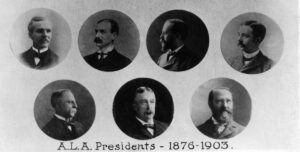
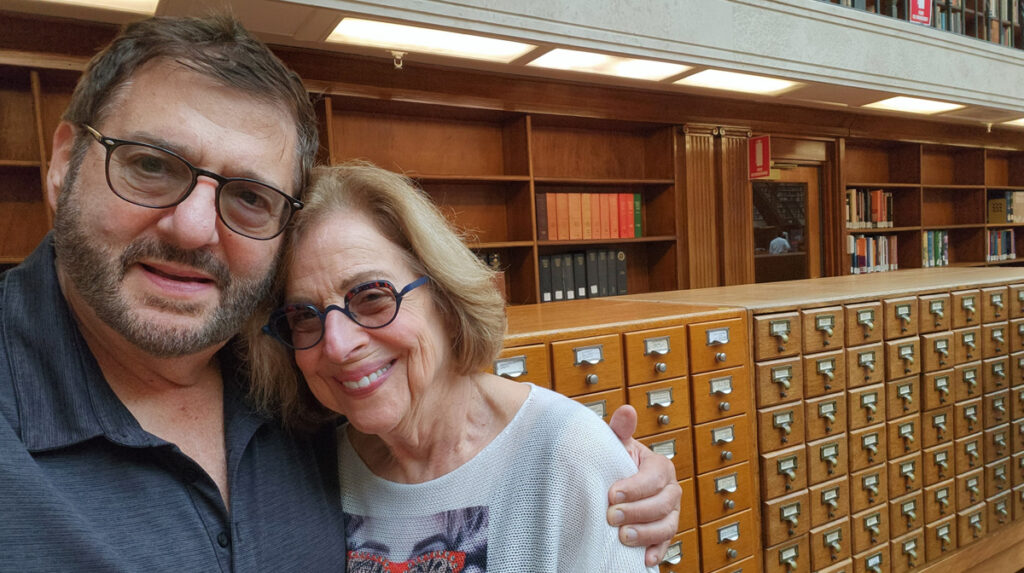
Librarians have been a big part of my story. So, when the American Library Association (ALA) invited me to support its 150th anniversary this year, I eagerly volunteered to be part of the team. At ALA’s 2025 Annual Conference in Philadelphia, our family helped kick off the upcoming year of celebration with a $500,000 Challenge Grant donation. For my wife Loree and me, offering this match is our way of asking everyone who believes in libraries, their mission, and our nation’s librarians to join us. Help us secure the future of all libraries, led and directed by library professionals.
When I think about the many librarians I’ve met over the past 30+ years, I am humbled. They show up every day to make democracy stronger, help families thrive, and ensure that learning is available to all. But as I reflect on ALA’s 150th milestone, I try to imagine what the libraries of 1876 were like when ALA began. Thankfully, back then a very successful young Scottish immigrant who settled in Allegheny, Pennsylvania, was thinking about what libraries could become.
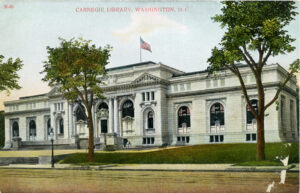
Andrew Carnegie arrived penniless to the United States settling in the north Pittsburgh area in 1848. By 1881, the very successful industrialist Carnegie began to create his legacy of establishing “free” public libraries. He believed that the greatest gift one could give the public was the means to improve themselves. The scale of his foresight and philanthropy is staggering. Between 1883 and 1929, Carnegie funded the construction of 2,509 libraries worldwide, with more than 1,600 in the United States alone.
In 1895, the Carnegie Library of Pittsburgh opened, providing the working class with access to the same architectural grandeur and books as the elite. Carnegie libraries are more than book depositories; they are civic cathedrals. Carnegie revolutionized how knowledge was accessed. Today, the ALA carries on this work. Recently I sat down with Andrew Medlar, president and director of Carnegie Library of Pittsburgh. He shared with me the numerous programs the library has scheduled this year honoring the historic contributions of Andrew Carnegie.
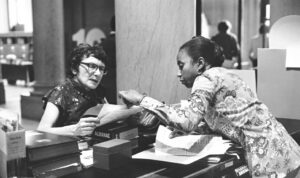
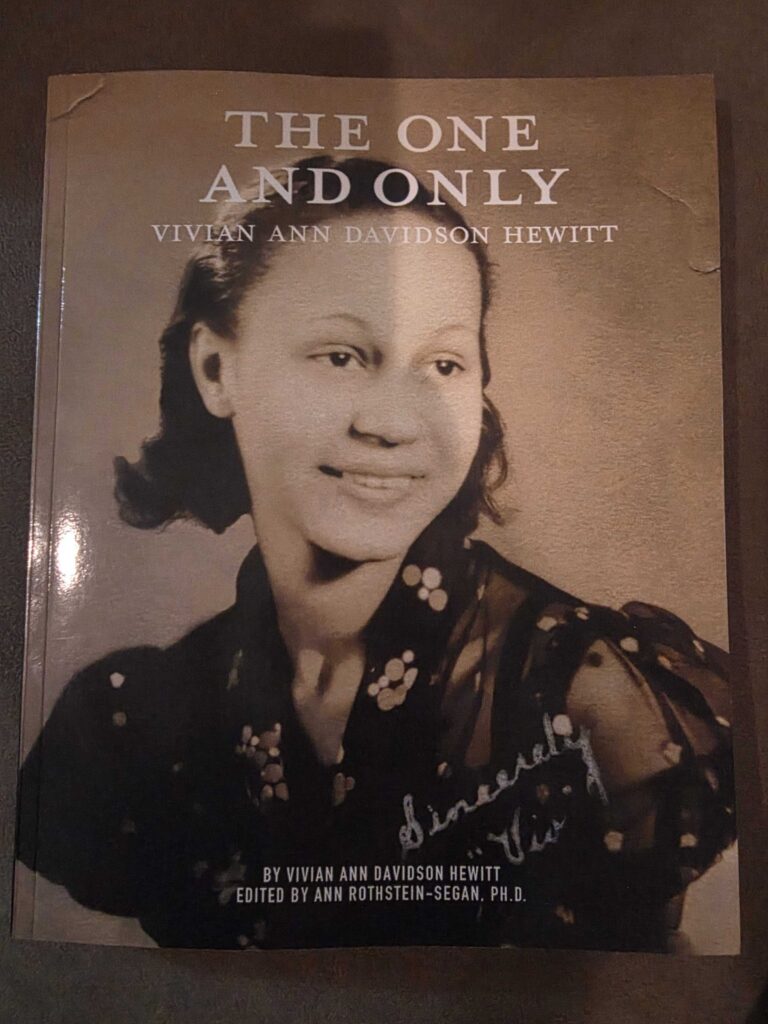
I also learned about the fascinating story of Vivan Davidson Hewitt, the first Black librarian in Pittsburgh. Born in 1920 in New Castle, Pennsylvania, Hewitt loved books and libraries from a young age. In 1944 she earned her master’s in library science from Carnegie Mellon University and was employed as a librarian by Carnegie Library of Pittsburgh (CLP) in 1944. To understand the context of this, her role made libraries and learning more accessible to Pittsburgh’s Black population.
Medlar stated, “Vivian Donaldson Hewitt taught us that libraries expand our world. They act as mirrors, windows, and sliding doors helping us to see ourselves, see others, and open ourselves up to new worlds”. After CLP, she served as librarian for The Rockefeller Foundation, the Carnegie Endowment for International Peace, and in 1978, became the first Black president of the Special Libraries Association. She was honored by Queen Elizabeth in 1943.
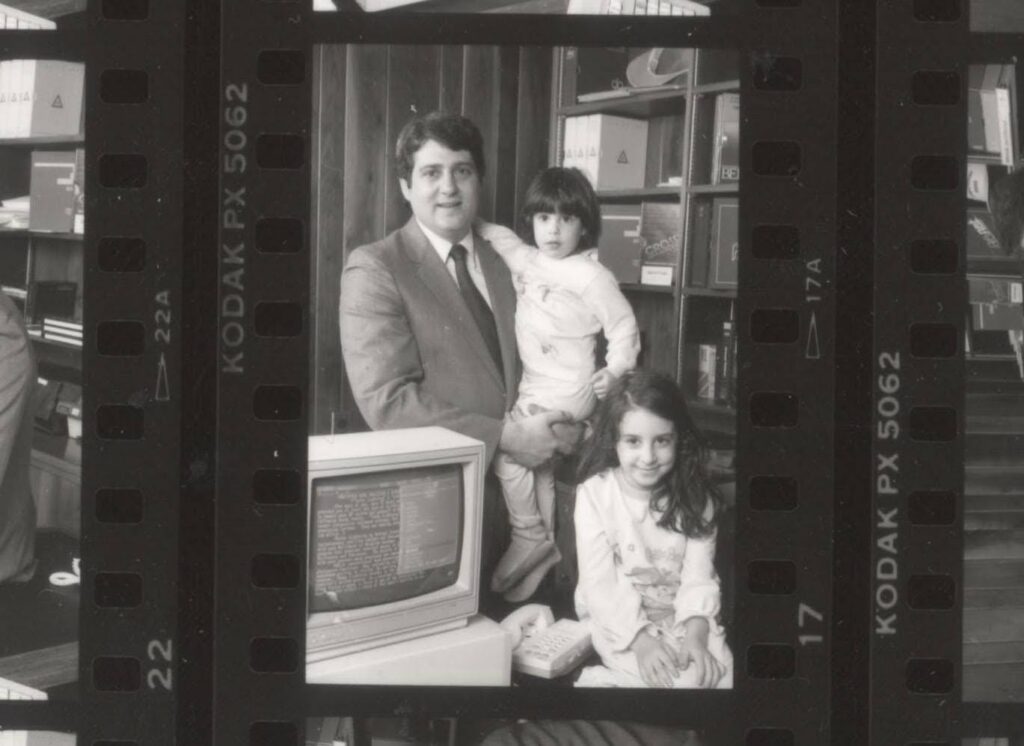
This is why my family and I give to ALA. Librarians change lives. In every decade, there are countless Vivian Davidson Hewitts. Champion librarians are on the front lines in every community, and the ALA is the professional association dedicated to the next generation of librarians. Librarians are a resource for every stage of life, and I am excited to celebrate this remarkable milestone for our nation’s information and library professionals. At every stage of life, a librarian needs to be there to make it better.
Why ALA’s 150th Anniversary Matters—and Why Now
We believe in the power of public good. We believe in strengthening the systems that help people learn, grow, and care for each other. This anniversary comes at a time when libraries are facing challenges that would have seemed unimaginable when we started OverDrive. Book challenges. Funding pressure. Expanding technology needs. Growing responsibilities as community anchors.
And yet, librarians continue to lead with integrity, courage, and ingenuity.
ALA has been standing behind them for 150 years advocating for intellectual freedom, developing professional standards, supporting education, and ensuring that libraries remain vital civic institutions. Supporting ALA means supporting every librarian who is working to keep their community informed and connected.
Thank you to all of our librarians for the work you do. Thank you for the stories you’ve shared with us, the trust you’ve placed in us, and the partnership that has shaped our lives.
Supporting ALA’s 150th anniversary is a privilege. It’s an opportunity to honor every librarian who opened a door for us, and to help ensure that libraries remain at the heart of America’s story for the next century and beyond.
Steve Potash is founder and CEO of OverDrive
About the Steve and Loree Potash ALA 150th Anniversary Challenge
Through a generous $500,000 grant from the Steve and Loree Potash Family Foundation, donations to the ALA 150th Anniversary Campaign will be matched dollar for dollar through the Steve and Loree Challenge. This 1:1 match is available until the $500,000 is depleted.
Donations to the ALA 150th Anniversary Campaign will help fund these action areas: Advancing the Library Profession; Advocacy for Libraries; Equitable Access to Information; Intellectual Freedom; and Literacy of All Kinds.
Who are Steve and Loree?
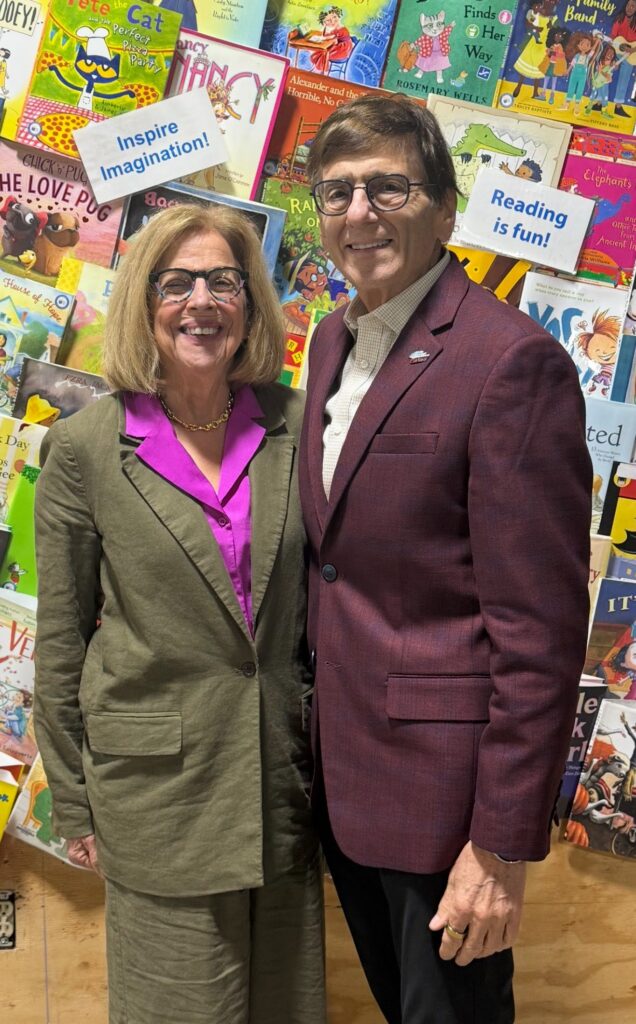
Steve Potash is the founder, president, and CEO of OverDrive. His wife Loree is an academic librarian, has practiced law, and alongside Steve and their family, serves as a trustee of the Steve and Loree Potash Family Foundation.
Learn more about the Steve and Loree Potash ALA 150th Anniversary Challenge and how to get involved.